An analysis of the regulatory framework for green spaces in Bulgaria reveals significant gaps in legislation and its implementation, which directly threaten urban green spaces. The document outlines a number of systemic issues, ranging from the lack of a clear definition of ‘green system’ at a legislative level to insufficient transparency and limited public access to decision-making processes.
Legislative gaps and systemic defects
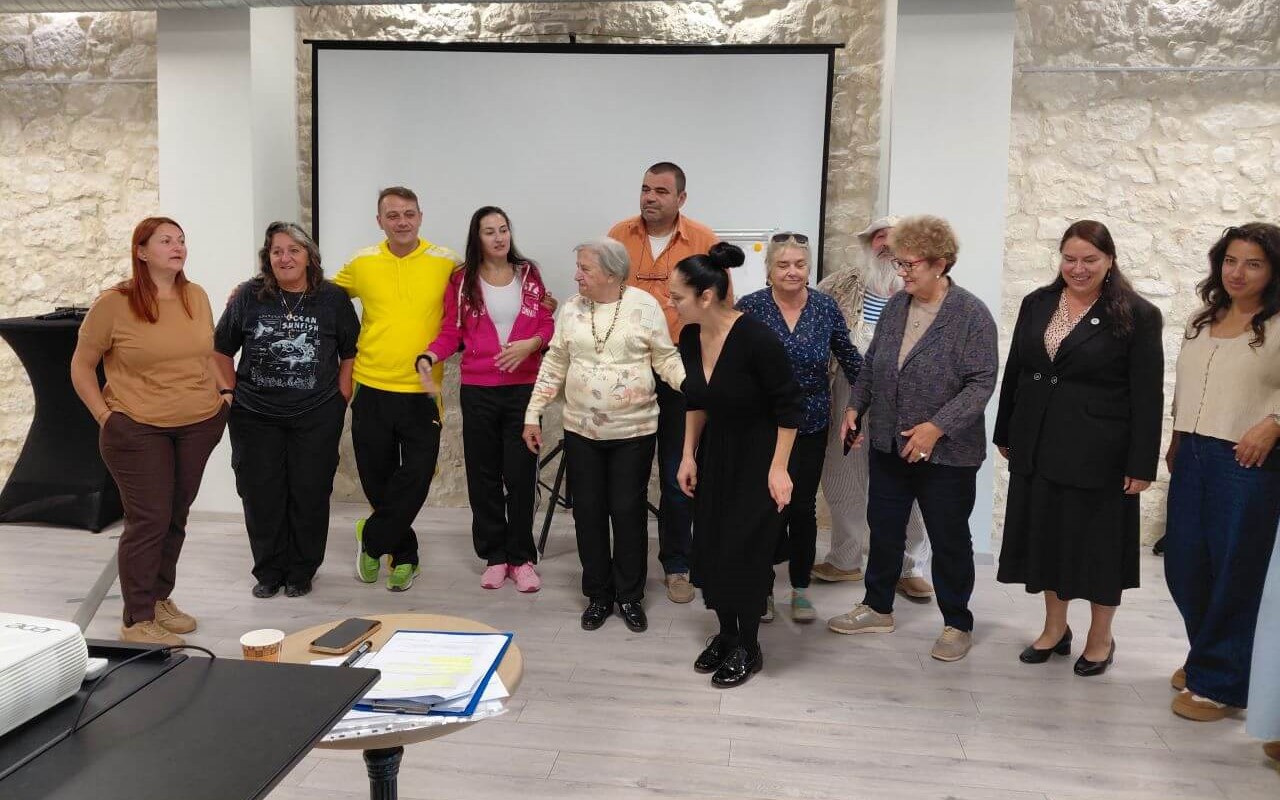
The main findings of the analysis show that the current legal framework does not provide the necessary protection for urban greening. The document was initiated by the Public Centre for Environment and Sustainable Development and was prepared by lawyer Alexander Aseinov as part of an urgent advocacy campaign to increase the number of trees and green spaces and encourage citizen participation in the city of Varna. According to him, the Territorial Planning Act (ZUT) does not contain a clear definition of the term ‘green system’, which creates conditions for contradictory interpretation and application. Additionally, there is no comprehensive, public and updated registry of green spaces and long-term decorative trees, which hinders effective control and tracking of changes.
Procedures for changing the intended use of land earmarked for greening often take place without sufficient opportunity for public reaction, says adv. Assenov. This leads to the permanent loss of green spaces in both Varna and other large cities in the country. One of the reasons for this is the regulations at municipal level. They are not uniform and often lack clear standards for maintenance, protection and compensation for the removal of vegetation.