As summer temperatures rise and droughts become more frequent, street trees in cities are becoming critical infrastructure – they cool urban heat islands, capture carbon, absorb rainfall and support biodiversity. However, maintaining them often exceeds the capacity of municipal services.
An expert analysis of successful European urban forestry practices in France and other European countries shows how structured partnerships between local authorities, citizens and businesses can increase the survival rate of trees and transform the urban environment. The analysis by the Public Centre for the Environment and Sustainable Development presents proven European models in which citizens and the municipality work together. It presents four main approaches with clear rules to protect vegetation from unintentional errors in volunteer care.
Adopting a tree (Baumpatenschaften)
This model is aimed directly at saving young and vulnerable street trees from critical water stress in the summer.
How it works: Through a public digital map, citizens or local businesses can select a specific tree in front of their home or business and sign an agreement to care for it for at least one year.
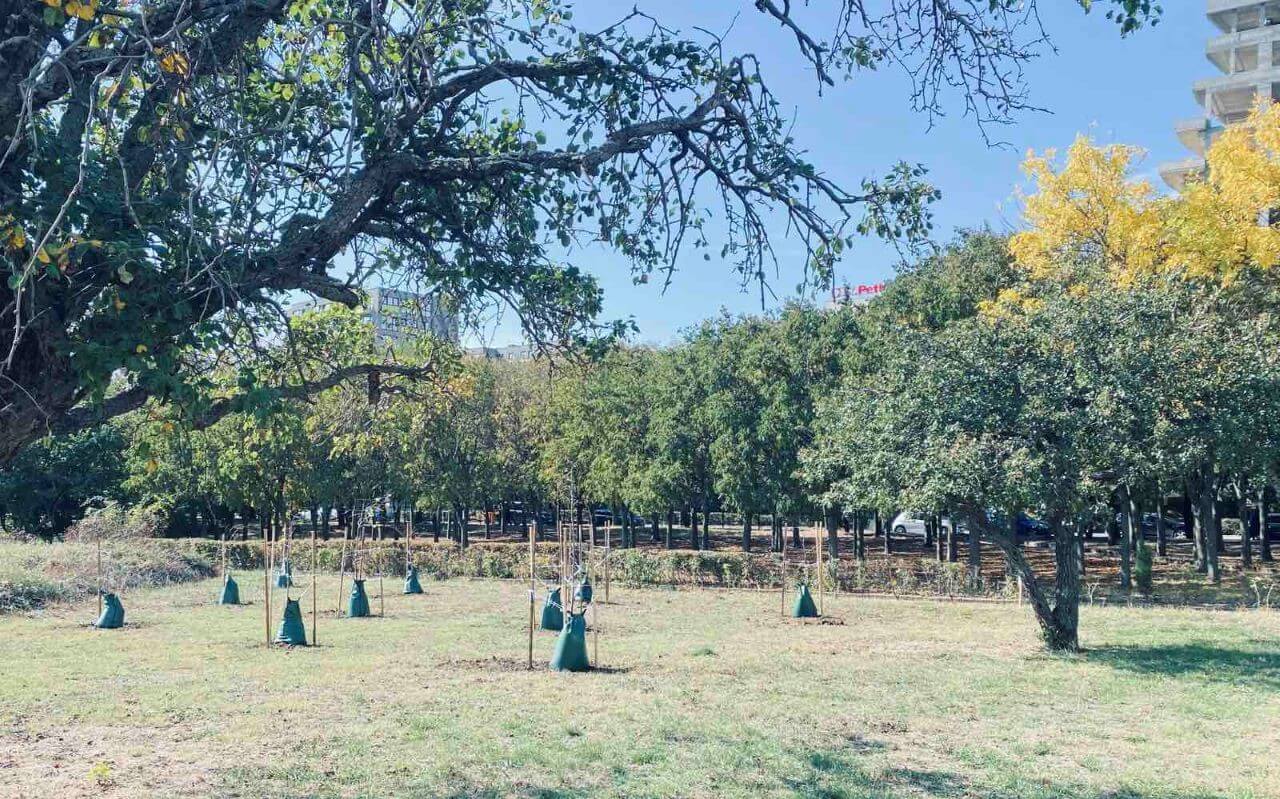
The role of the municipality: The local administration provides a starter kit – a specialised slow-release watering bag (Treegator type) or access to a public water source, and sometimes an official information sign to protect the tree from vandalism.
The commitment: The adopter provides a certain amount of water per week from May to September (approximately 50 litres), cleans around the trunk and reports the appearance of dry branches or pests, while the experts take care of pruning and treatment.
Shared greenery around the trunk (Tree Bed Stewardship)
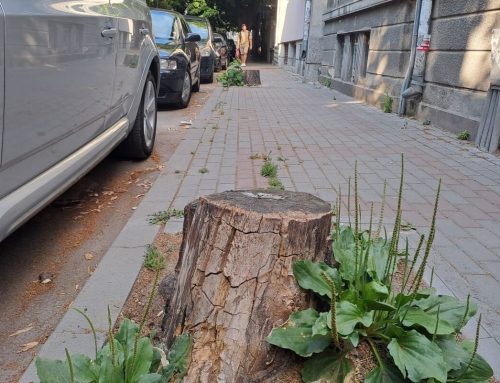
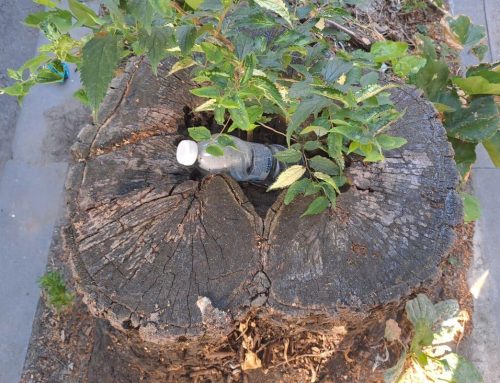
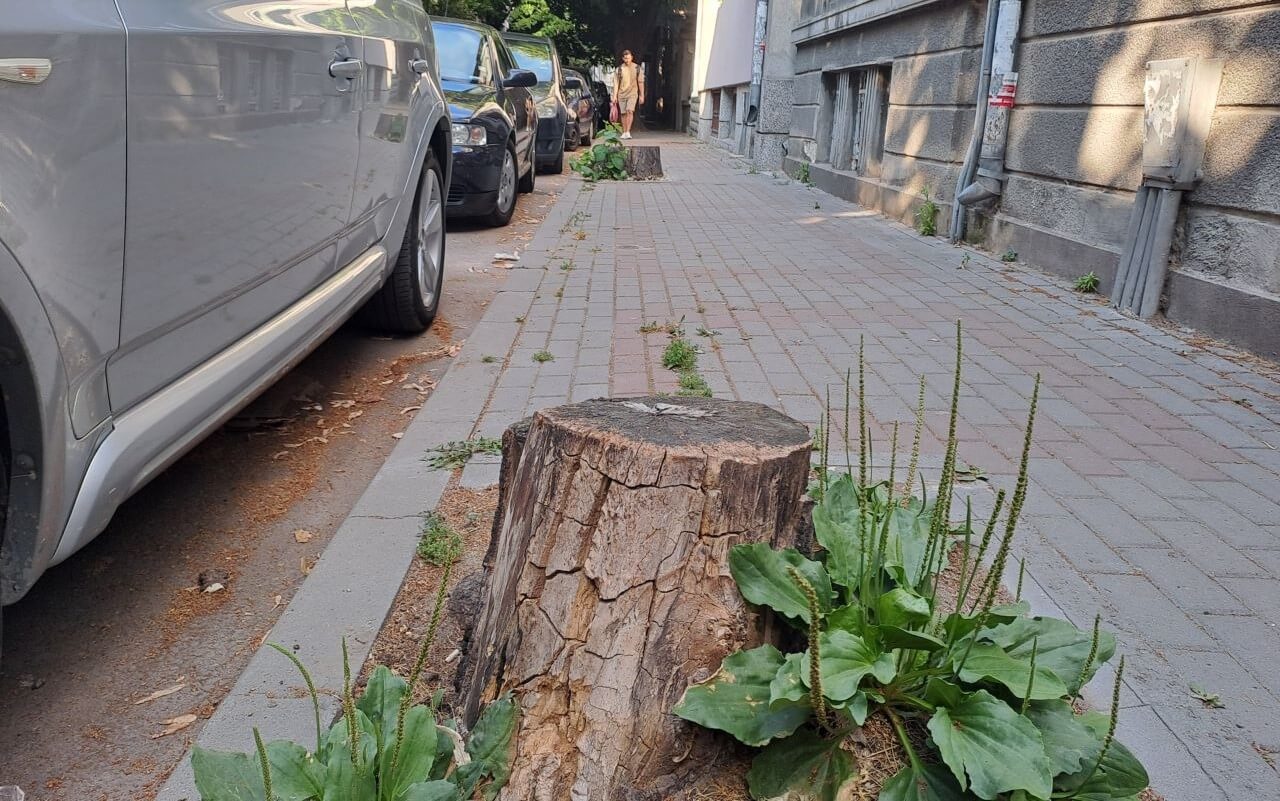
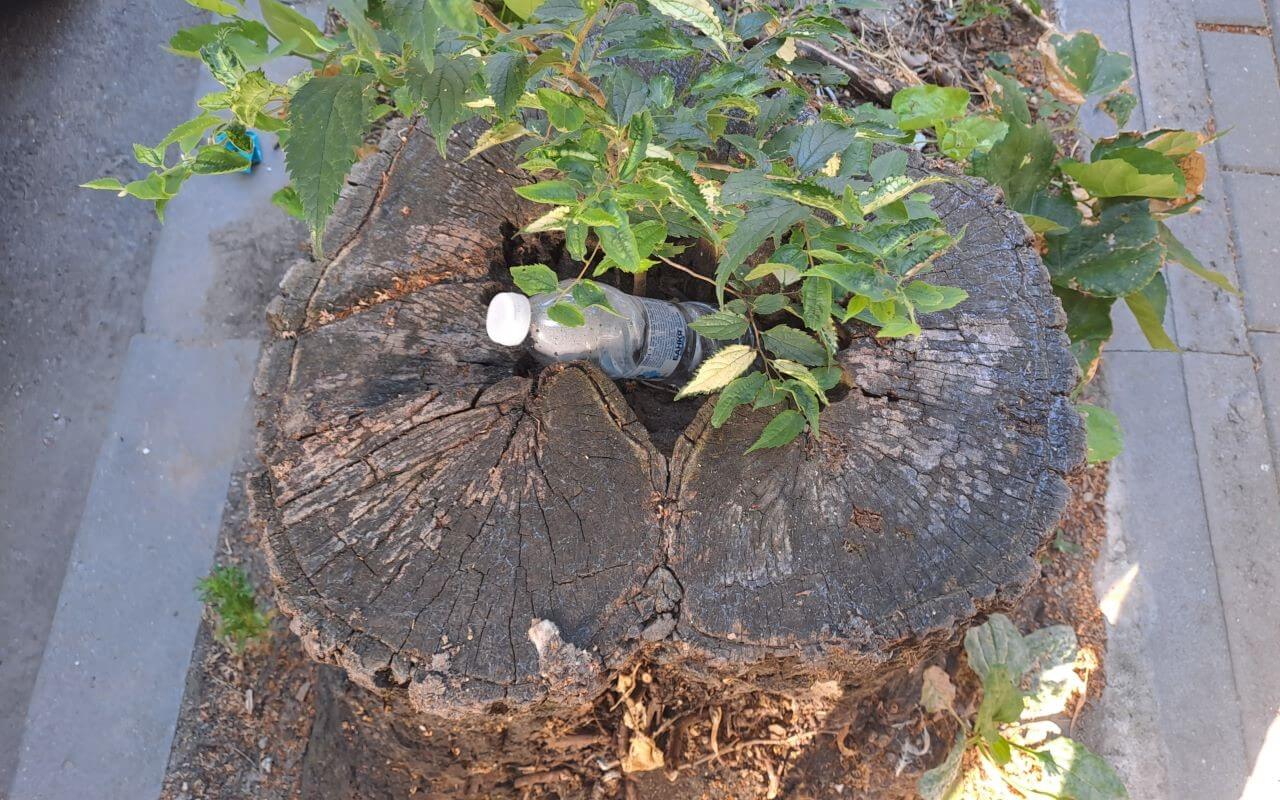
Instead of compacted and dusty soil around street trees, this model allows neighbours to transform the spaces around trees into mini-gardens with flowers and herbs. This aerates the soil, facilitates the absorption of rainwater and creates habitats for pollinators.
Clear safety rules: To avoid damaging the tree, citizens receive a light permit for temporary use (for a period of 3 years) under strict technical conditions: manual soil treatment to a maximum depth of 10 cm, leaving the root collar completely exposed, prohibiting pesticides and chemical fertilisers, and limiting the height of flowers to 80 cm.
Support: The municipality provides a list of permitted local and honey-producing species, as well as an initial package of soil, organic mulch and seeds.
Citizen Science
Digital tools allow pupils, students and volunteers to participate in large-scale mapping and monitoring of the urban green system without incurring high costs to the budget. Using a geolocated mobile app, citizens photograph trees, measure the girth of the trunk and report on cavities or parasites. The submitted data undergoes compulsory verification by municipal dendrologists, after which it automatically updates the public GIS register and helps plan sanitation activities.
Shared neighbourhood gardens
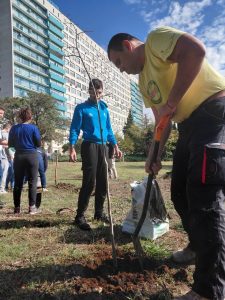
The fourth approach involves collectively managing municipal plots for urban agriculture and recreation. As well as encouraging environmental education and social integration, the model requires prior soil contamination testing and clear usage rules to avoid conflicts within the community.
The meaning of structured partnership
The success of European models lies in the balance: citizens provide the daily, personal care that no municipal administration can provide for every individual tree, while experts and the municipality guarantee safety, equipment and scientific control. The implementation of such clear regulations in Bulgarian cities would provide a legal, secure and motivating path for thousands of citizens who currently want to contribute to a greener urban environment.