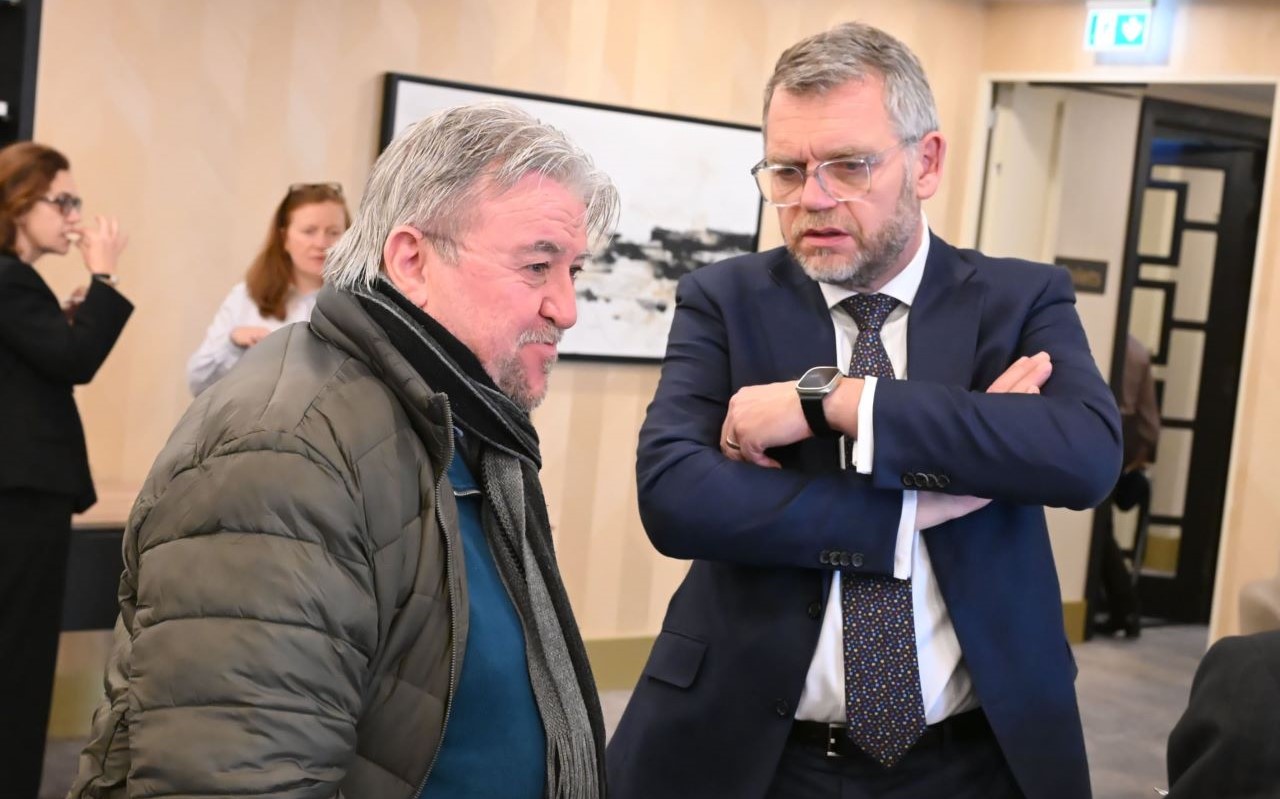
Photo: Evgeni Dimitrov, BULFOTO
The World Bank (WB) presented a study on the climate challenges facing our country in late November (“Bulgaria: Country Climate and Development Report”). It is part of a series of similar studies by the Bank for countries around the world, and the last of these for countries in our region.
While the WB representatives presented the scenario that would lead to the country’s climate neutrality by 2050 in an optimistic manner, questions arose that, however, as usual, did not have time to be asked. For example, why should Bulgaria invest over 50 billion dollars in two new nuclear reactors on the increasingly depleted Danube? Or how exactly will Bulgaria achieve climate neutrality by 2050? will Bulgarian forests and agriculture absorb 0.2 megatonnes more CO2 emissions than the state will emit overall if total land use and forestry practices are not completely changed? Or why does the World Bank continue to promote CO2 capture and storage technologies?
Nevertheless, the report’s main finding is that achieving net zero emissions by 2050 is possible. is achievable, supports growth and competitiveness, and strengthens energy security, while targeted investment in adaptation can significantly reduce, but not eliminate, future economic losses”. The challenges lie in the need to accelerate implementation, strengthen institutions and mobilise public and private financing. The report acknowledges that the transition must be carefully managed to ensure that the benefits are widely distributed. ‘Poor households, workers employed in industries with high emission intensity, and regions dependent on coal are facing the greatest adaptation costs. Consequently, targeted social protection, retraining programmes and place-based development strategies will be essential to ensure public support and a just transition.
The two panel discussions focused on accelerating decarbonisation while strengthening energy security and business competitiveness, and on adapting to climate change, with a focus on land, flooding, rising temperatures, and protecting people, agricultural crops and livestock, and the economy.
The views expressed by most representatives of Bulgarian institutions were not particularly optimistic. As usual, those from the energy sector tried to defend new nuclear power plants and gently criticised the boom in battery storage, as it creates problems with balancing the system. Business representatives complained about the weakening of competition through climate policies and the difficulties of implementing the Carbon Border Adjustment Mechanism (CBAM). Problems were also identified among banks, for which energy efficiency projects for citizens are ‘unbankable’, i.e. There are still problems that prevent private financial institutions from lending to them. Insurance for farmers against damage from climate change (still euphemistically referred to as ‘natural disasters’) also needs to be regulated more effectively. In the sector, they also encounter the reluctance of farmers to spend small amounts on insurance (I literally heard: ‘They’re willing to spend 150 euros on a dinner, but not on a policy.’ But I was most surprised by the statement of the representative of the NSO RB that, apparently, there is still a lack of capacity in the municipalities. After so many years of training on European and other donor programmes, and so many successful, semi-successful and failed reforms and investments, which have a direct or indirect link to climate policies, there is still a lack of capacity!!! Who knows why municipalities are reluctant to talk about the need for major reforms that could lead to the closure of many of them due to their practical inability to self-govern!
The representative of the Ministry of Agriculture and Food mentioned the importance of new techniques for protecting the land from drought (no till and others), which is a positive sign from this ministry.
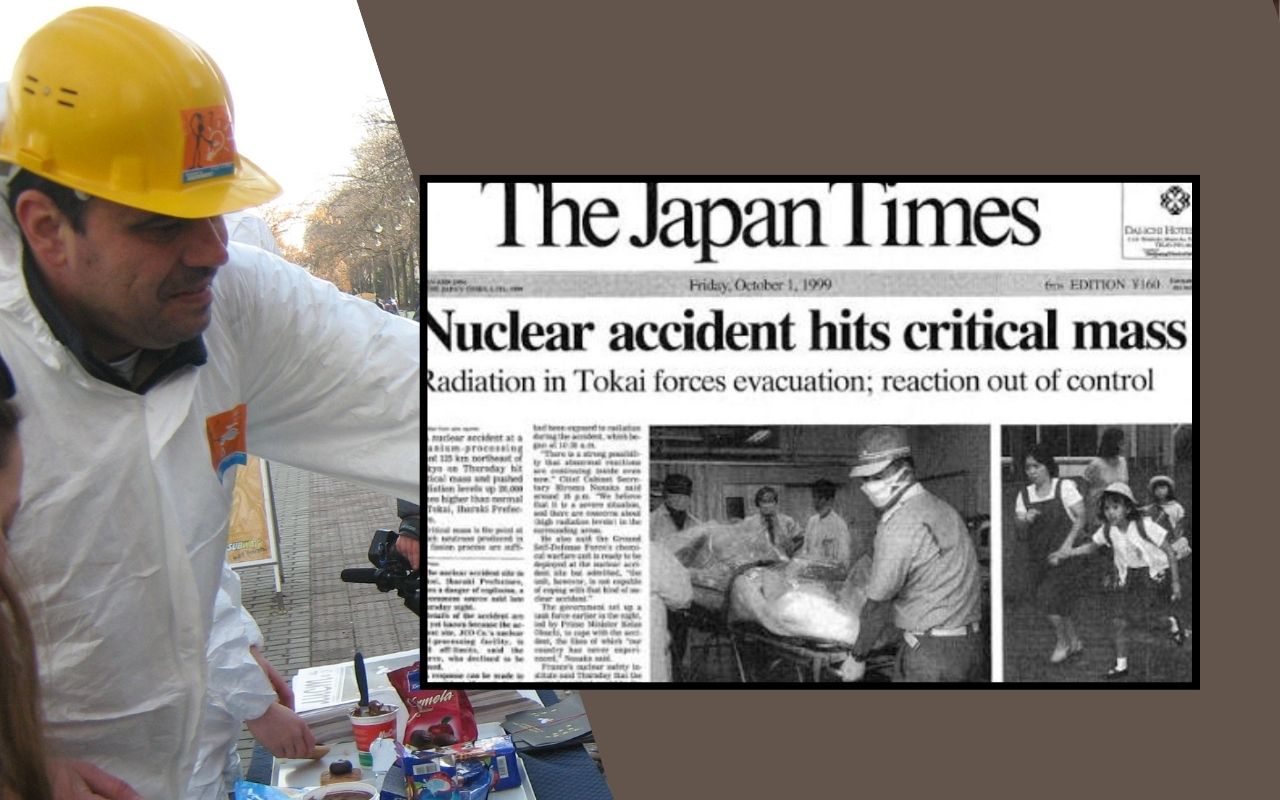
Ultimately, the representative of the Public Centre for Environment and Sustainable Development (pictured) presented the biggest problem facing the achievement of climate neutrality in Bulgaria by 2026 in an informal conversation. – the strong, impenetrable resistance of politicians and institutions to climate policies, which are implemented slowly and reluctantly, mainly under pressure from the European Commission.
The report can be downloaded here.